Kintanya Handwritten Font for Crafters and Product Makers
There is something special about finding a handwritten font that feels both polished and personal. As someone who spends hours designing labels, stickers, and printable templates for my small shop, I have tested my fair share of script typefaces. Some look beautiful on screen but fall apart when printed small. Others have charm but lack the readability needed for product packaging. When I came across Kintanya, I knew I had found a font that could do both. This elegant handwritten typeface brings a warm, handcrafted feel to any project while staying clear enough for real product use. Whether you are designing for weddings, home decor, or everyday product labels, Kintanya offers the kind of versatile beauty that makes your work stand out.
What Makes Kintanya Stand Out as a Handwritten Font
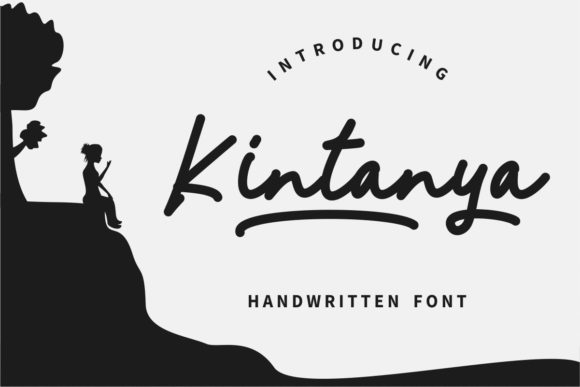
Kintanya belongs to the Script Amp category of fonts, but it does not feel like a typical script. It carries a relaxed, flowing personality that reminds me of carefully penned letters. The strokes are smooth, the letterforms are well balanced, and there is a gentle elegance throughout the entire set. This is not a rigid calligraphy font or a messy scrawl. It sits somewhere in between, making it incredibly useful for crafters who need a font that feels personal without looking unprofessional. When I use Kintanya on a product label or a greeting card, it immediately adds a layer of warmth that plain typefaces cannot match.
The visual charm of Kintanya comes from its natural rhythm. Each letter connects smoothly, and the overall impression is one of thoughtful design. It works beautifully as a display font for short phrases, names, titles, and decorative wording. I have found it especially effective for wedding invitations, thank you cards, and boutique tags where a personal touch is essential. The font does not try too hard to impress, which is exactly why it impresses. It feels authentic, and that authenticity translates directly to the products you create.
Practical Uses for Kintanya in Handmade Products
When I test a font for my shop, I think about three things: how it looks on a label, how it reads on a card, and how it cuts on my machine. Kintanya performs well in all three areas. For Cricut and Silhouette users, the clean lines of this handwritten font make it easy to work with. I have used it for vinyl decals on mugs, tote bags, and wooden signs without any issues. The letters weed cleanly, and the curves are not so intricate that they cause frustration during cutting.
For printable product creators, Kintanya is a solid choice. It works beautifully on greeting cards, birthday invitations, and seasonal product packaging. I recently used it for a set of farmhouse-style candle labels, and the results were exactly what I wanted. The font added a handmade feel that matched the rustic aesthetic of the candles. It also worked well for a line of boutique clothing tags where I needed the brand name to feel elegant but approachable.
Wedding stationery is another area where Kintanya shines. Whether you are designing save-the-dates, ceremony programs, or welcome signs, this font brings a refined yet personal look. I have used it for a wedding welcome board paired with a simple floral border, and the combination was stunning. The readability is strong enough for names, dates, and short messages, which is exactly what wedding stationery requires.
Readability and Practical Considerations for Crafters
One concern I often have with handwritten fonts is readability, especially at small sizes. Kintanya handles this well. On product labels and small stickers, the letterforms remain clear and easy to read. I tested it on 1.5-inch round labels for a client's handmade jam products, and the font was perfectly legible. For greeting cards and larger prints, the elegance of the typeface really comes through. If you are using Kintanya for longer text, I recommend keeping it to short phrases or a few lines. This font is best suited for display purposes, titles, and decorative wording rather than long paragraphs.
For those who create digital printables like wall art or planner pages, Kintanya offers a beautiful option for quotes and headings. The font pairs well with simpler typefaces, which helps balance the overall design. When I create printable wall art, I often use Kintanya for the main quote and pair it with a clean sans serif font for the attribution or smaller details. This combination keeps the focus on the handwritten charm while maintaining readability.
Font Pairing Ideas for Kintanya
Pairing a handwritten font like Kintanya with the right companion typeface can elevate your entire design. I have found that clean sans serif fonts work beautifully alongside Kintanya. The contrast between the flowing handwritten style and a simple modern sans serif creates visual interest without competing for attention. For example, using Kintanya for a product name and a lightweight sans serif for ingredient lists or descriptions keeps the design balanced and professional.
A simple serif font can also be a good pairing partner. If you are going for a more traditional or elegant look, a refined serif font complements the handwritten charm of Kintanya without overpowering it. I have used this combination for wedding stationery and boutique branding with excellent results. The key is to keep the companion font simple so that Kintanya remains the star of the design.
For logos and brand identity work, Kintanya works well as the primary display font. I have seen it used effectively for small business logos, especially in the handmade and creative industries. The font conveys a sense of care and craftsmanship that aligns well with brands that value personal touches. Whether you are designing for your own shop or for clients, Kintanya can become a reliable part of your font toolkit.
File Formats, Features, and Licensing for Commercial Use
Before using any font in products you sell, it is important to understand what is included and how the licensing works. Kintanya typically comes with standard font file formats like OTF and TTF, which work across both Mac and Windows systems. These formats are compatible with major design software, cutting machine programs, and online design platforms. For Cricut Design Space and Silhouette Studio, TTF files are usually the easiest to work with. If you plan to use Kintanya for cutting projects, make sure you install the font properly so it appears correctly in your software.
Some versions of Kintanya may include alternates, ligatures, or swashes that add extra versatility to the typeface. These features allow you to customize the look of your text and avoid repetitive letterforms. If you are designing a set of matching products like a wedding suite or a product line, having access to alternates can make each piece feel unique while maintaining brand consistency. I always check for these extras when considering a font for client work, and they add significant value.
Multilingual support is another practical consideration. If you create products for an international audience or need to include accented characters, check whether Kintanya covers the characters you require. This is especially relevant for printable products and templates sold globally.
Commercial licensing is one of the most important factors for anyone selling physical or digital products. When you purchase a commercial license for Kintanya, you are typically allowed to use the font in products you sell, including physical items like mugs, shirts, signs, and packaging. You may also be permitted to use it in digital templates and printables, depending on the specific license terms. Always read the licensing agreement carefully before using the font in client work or mass-produced merchandise. Some licenses restrict use in certain types of digital products, such as app templates or logo design services. For handmade sellers and small shop owners, a standard commercial license usually covers most needs, but it is worth confirming the details for your specific use case.
Bringing Kintanya into Your Craft Workflow
Adding Kintanya to your font collection can open up new possibilities for your product line. I recommend testing it on a few different project types to see where it fits best. Try it on a small sticker, a greeting card, and a mockup for a product label. See how it reads at different sizes and how it pairs with your existing design assets. You might find that Kintanya becomes your go-to font for anything that needs a personal, handmade feel.
For those who create seasonal products, Kintanya works well across holidays and occasions. I have used it for Christmas gift tags, Valentine's Day cards, and autumn-themed wall art. The font adapts easily to different color schemes and design styles. It does not feel locked into one aesthetic, which makes it a versatile choice for shops that offer a variety of products throughout the year.
If you are building a brand identity for your handmade business, Kintanya can help establish a consistent look across your packaging, tags, and marketing materials. A unified brand presence helps customers recognize your products and builds trust over time. Using a distinctive handwritten font like Kintanya as part of your brand identity can set you apart from competitors who rely on generic typefaces.
Kintanya is more than just another script font. It is a practical, beautiful tool for anyone who creates products by hand or by machine. Whether you are a Cricut enthusiast, a stationery designer, or a small shop owner looking to elevate your packaging, this font delivers the warmth and readability that customers notice. Try it on your next project and see how it transforms your work.